
Methods · Updated October 2026
Short answer: soft wash your house and roof, pressure wash your concrete. Siding, brick, stucco and shingles get a low-pressure wash with a cleaning solution that kills mildew and algae. Driveways, sidewalks and parking lots get high pressure with a surface cleaner. Most Houston homes need both.
People call every kind of exterior cleaning "pressure washing," but professionals use two different methods. Picking the wrong one is how homeowners end up with stripped paint, water behind their siding, or a roof that lost years of life in an afternoon. Here's how each method works, which surfaces need which, and why it matters so much in Houston's climate.
What is pressure washing?
Pressure washing uses a high-pressure stream of water, usually 2,500 to 4,000 PSI on professional equipment, to physically blast dirt, algae, oil and grime off a surface. The cleaning power comes from force.
That force is exactly what hard, durable surfaces like concrete need. Professionals pair it with a surface cleaner, a spinning bar under a round hood that holds the nozzles at an even height. That's what gives a driveway one clean, even finish instead of the "zebra stripes" you see after a DIY job with a wand.
Pressure washing is the right tool for:
- Concrete driveways, sidewalks and garage aprons
- Parking lots, dumpster pads and drive-thrus
- Gum, oil and rust on concrete (usually with a pre-treatment)
- Heavy equipment and fleet vehicles
What is soft washing?
Soft washing flips the formula. It uses very low pressure, typically under 500 PSI and close to what comes out of a garden hose, combined with a professional cleaning solution. The solution does the work: it kills mildew, algae, moss and lichen at the root, then a gentle rinse carries it away.
Because the growth is killed rather than just knocked loose, soft washing doesn't only look cleaner on day one. It also stays clean longer than blasting the surface would. And because there's no high-pressure stream, there's nothing to force water behind siding, chip paint, etch stucco or strip granules off shingles.
Soft washing is the right tool for:
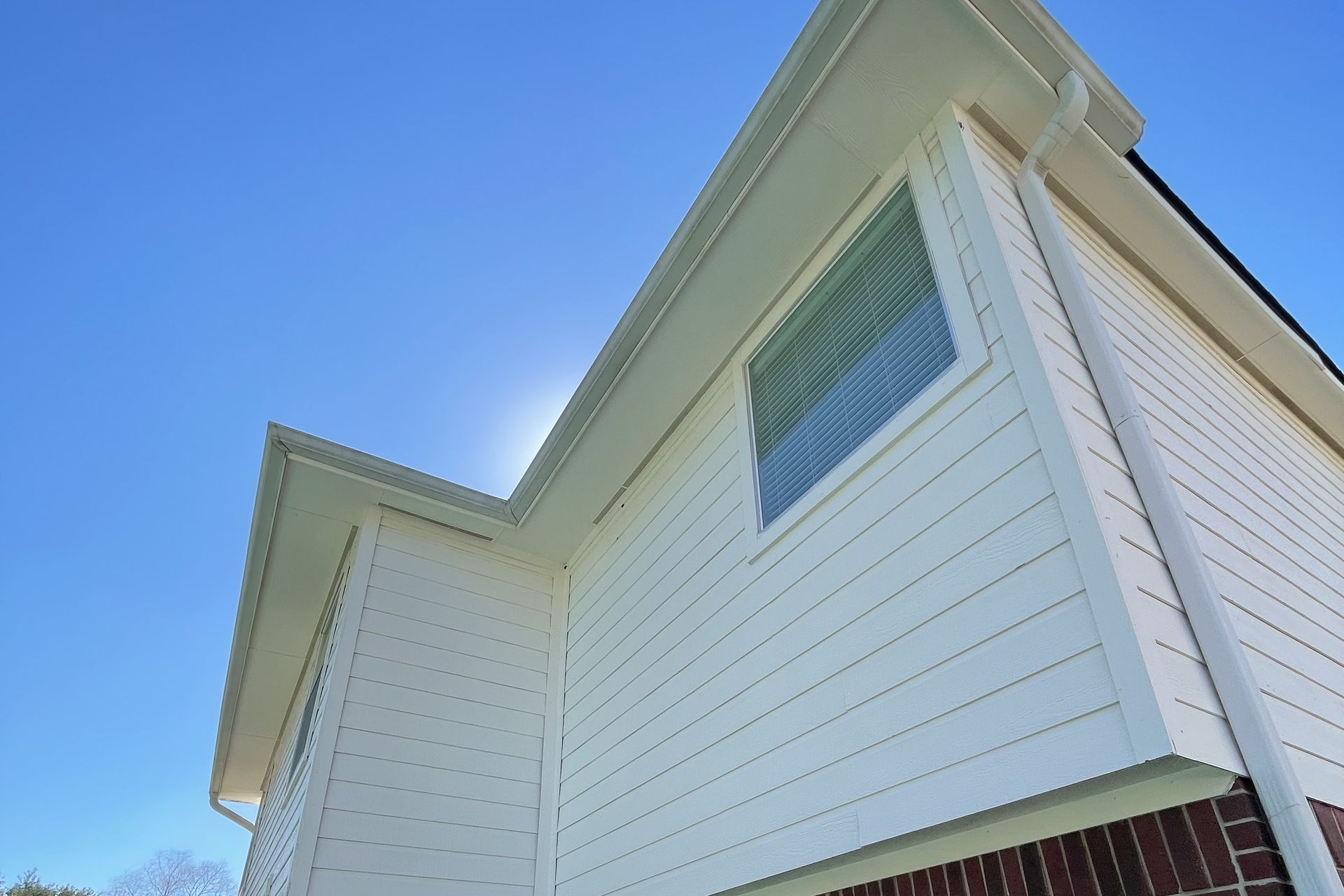
- Vinyl, Hardie (fiber cement) and wood siding
- Brick, stone and stucco
- Asphalt shingle, tile and metal roofs
- Painted surfaces, eaves, soffits and window screens
- Gutters (outside "tiger stripes"), fences and commercial building exteriors
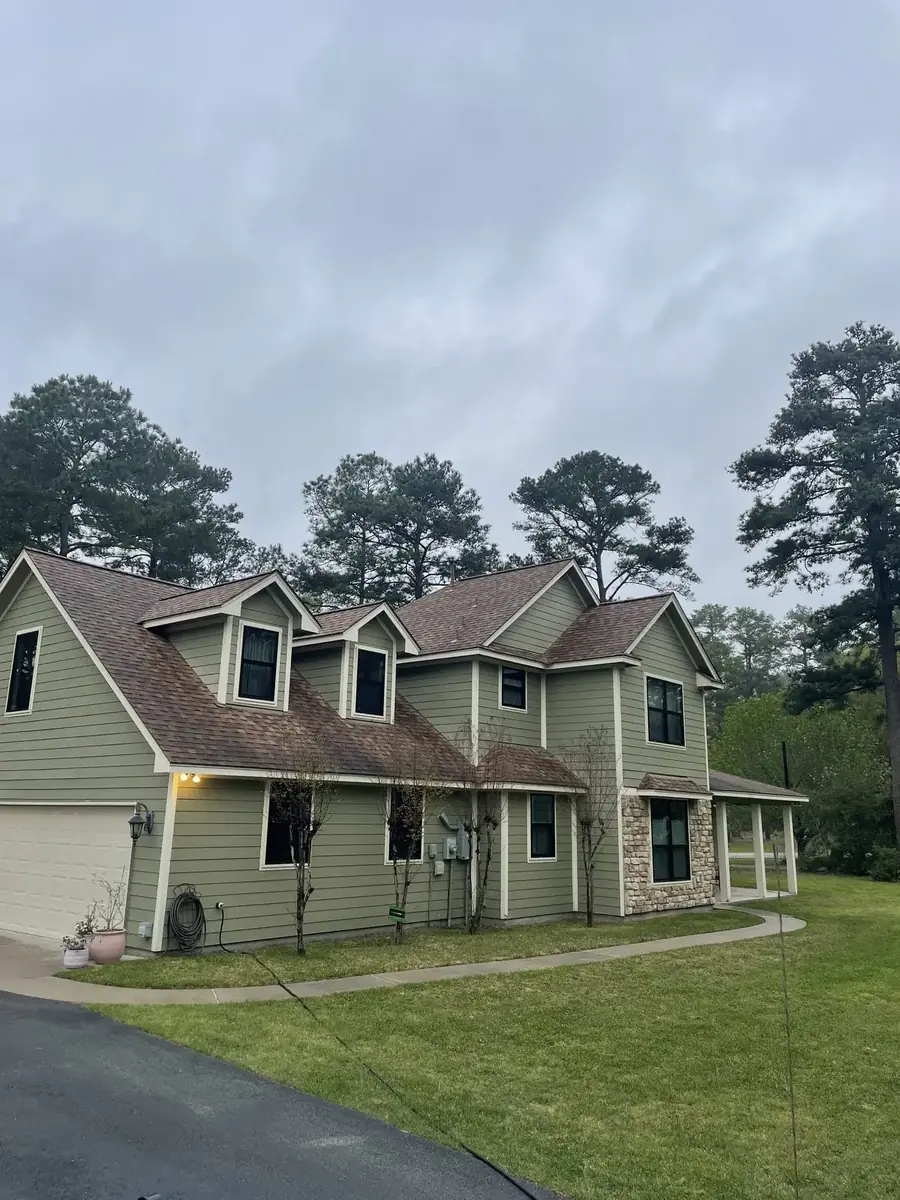 Before
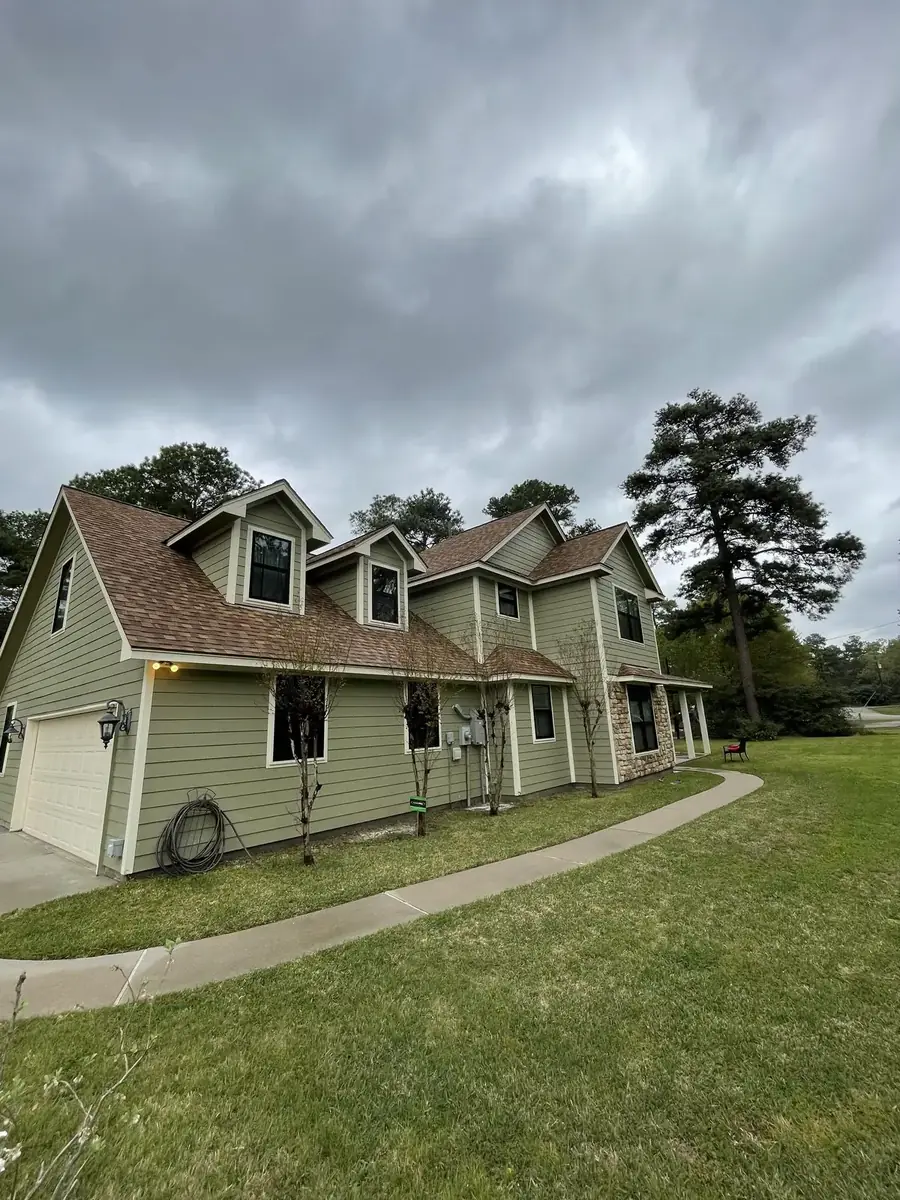 After
Soft washing vs. pressure washing at a glance
| Soft washing | Pressure washing | |
|---|---|---|
| Pressure | Low, typically under 500 PSI | High, about 2,500–4,000 PSI |
| What does the cleaning | Cleaning solution kills the growth | Water force removes the grime |
| Best for | Siding, brick, stucco, roofs, painted and delicate surfaces | Concrete, driveways, sidewalks, parking lots |
| Kills mildew and algae at the root | Yes | Not by itself |
| Risk to the surface | Very low when done correctly | High on anything softer than concrete |
| How long results last | Longer, because the growth is killed | Shorter on organic growth, which returns from the roots |
Which method does each part of your property need?
| Surface | Method | Why |
|---|---|---|
| Concrete driveway & sidewalks | Pressure wash | Concrete can take it, and a surface cleaner gives an even finish |
| Vinyl & Hardie siding | Soft wash | High pressure forces water behind panels and can crack or chalk them |
| Brick & stone | Soft wash | Brick looks tough, but high pressure erodes mortar joints |
| Stucco | Soft wash | Pressure can gouge, etch or crack the finish |
| Asphalt shingle roof | Soft wash only | Shingle manufacturers warn against pressure washing (see below) |
| Tile & metal roofs | Soft wash | Tiles crack and coatings scratch under high pressure |
| Pool decks & flagstone | Low pressure plus cleaner | Cool decking and natural stone damage easily |
| Wood fences | Low pressure plus cleaner | High pressure raises the grain and leaves "fuzz" and lap marks |
| Gutter exteriors | Soft wash / brightening | Black "tiger stripes" need a cleaner, not force |
| Parking lots & dumpster pads | Pressure wash | Heavy oil, gum and grime on durable concrete |
The honest answer for most homes is both: a soft wash for the house and roof, and a pressure wash for the driveway and walkways. Doing them on the same visit is usually the most efficient way to get the whole property clean.
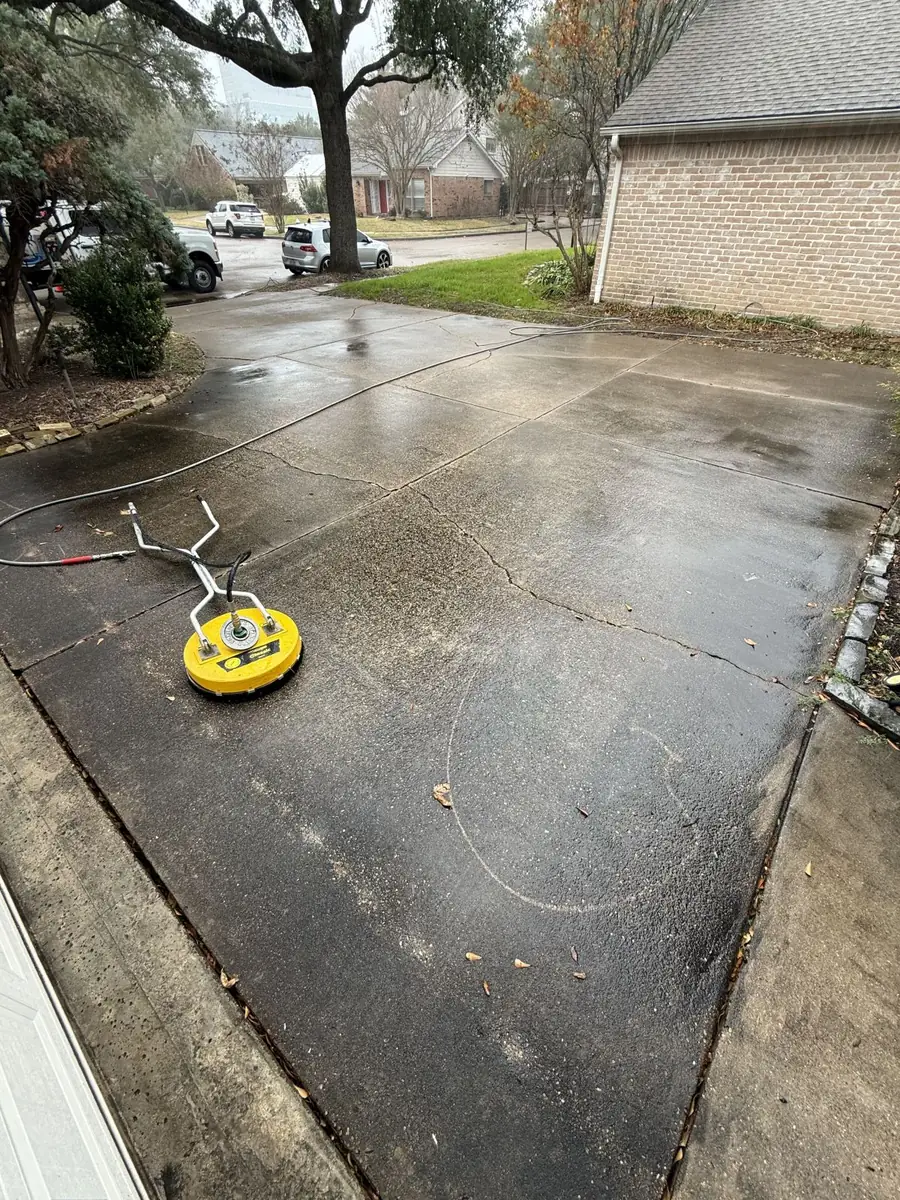 Before
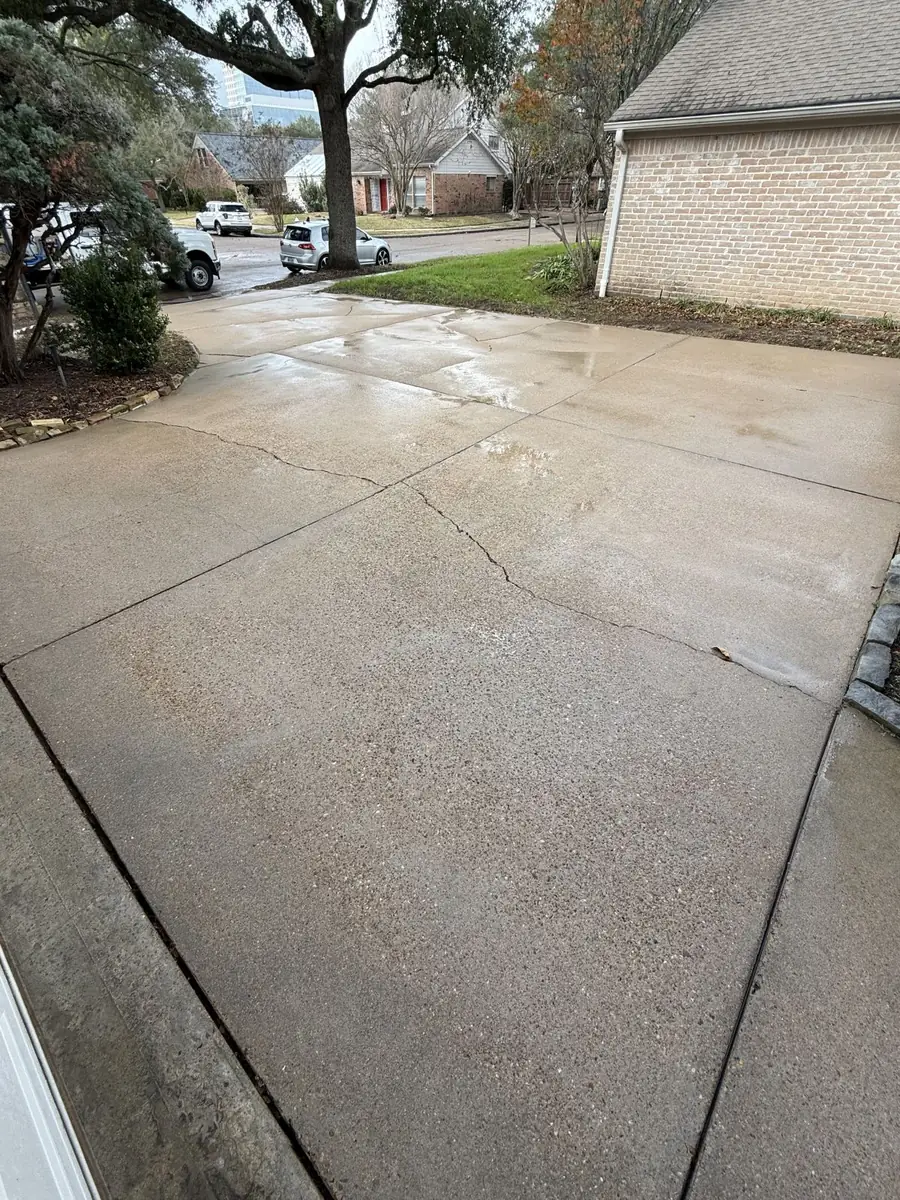 After
Why you should never pressure wash a roof
Those black streaks running down so many Houston roofs aren't dirt. They're an algae called Gloeocapsa magma that spreads on the wind and grows on shingles. The Asphalt Roofing Manufacturers Association (ARMA), the industry group for shingle makers, is direct about how not to clean it: "DO NOT use a power washer" on an asphalt roof. Instead, it points to a diluted sodium hypochlorite solution, gently rinsed. That's the basis of a professional roof soft wash.
Pressure washing strips the protective granules that shield shingles from the sun. It can shorten the roof's life, crack tile, and in some cases cause problems with a manufacturer's warranty. A soft wash kills the algae without touching the granules. It's the only way we clean roofs.
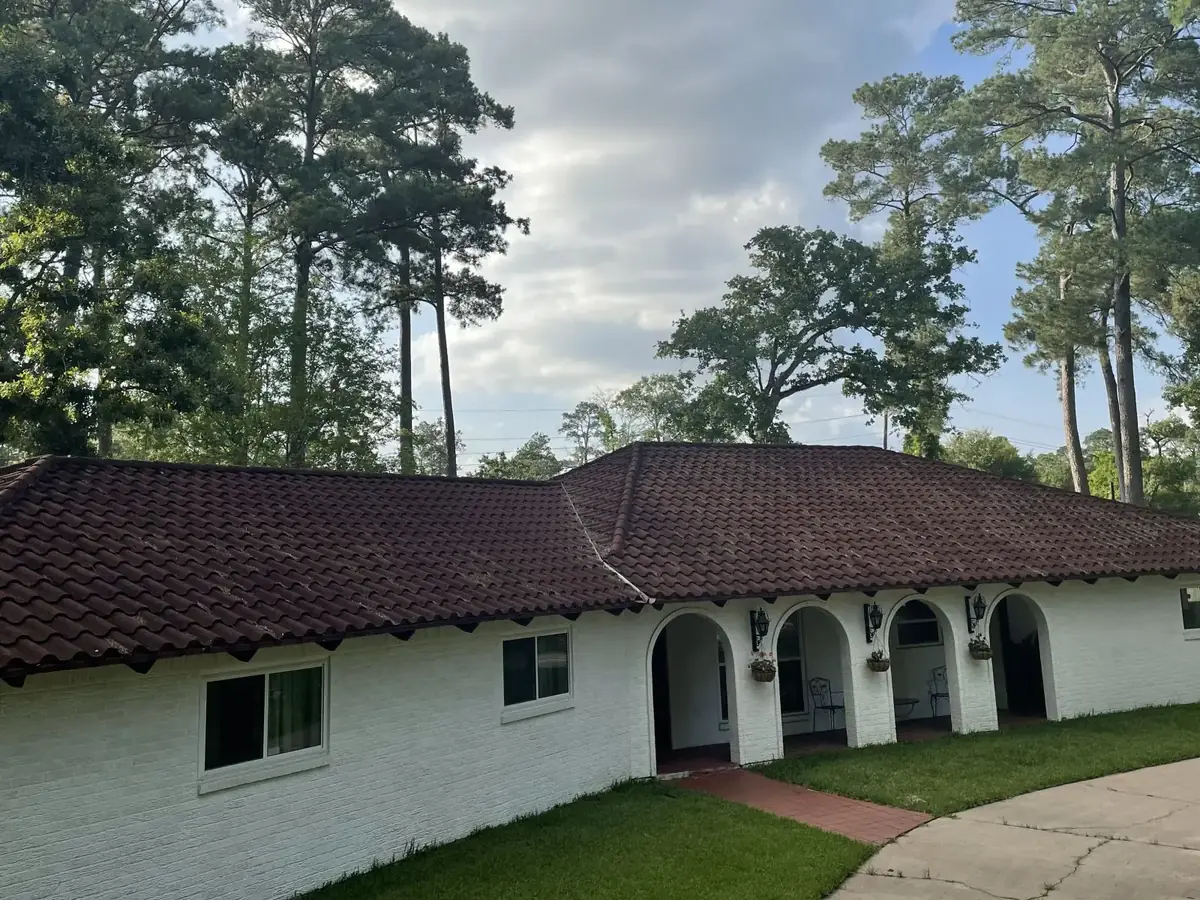 Before
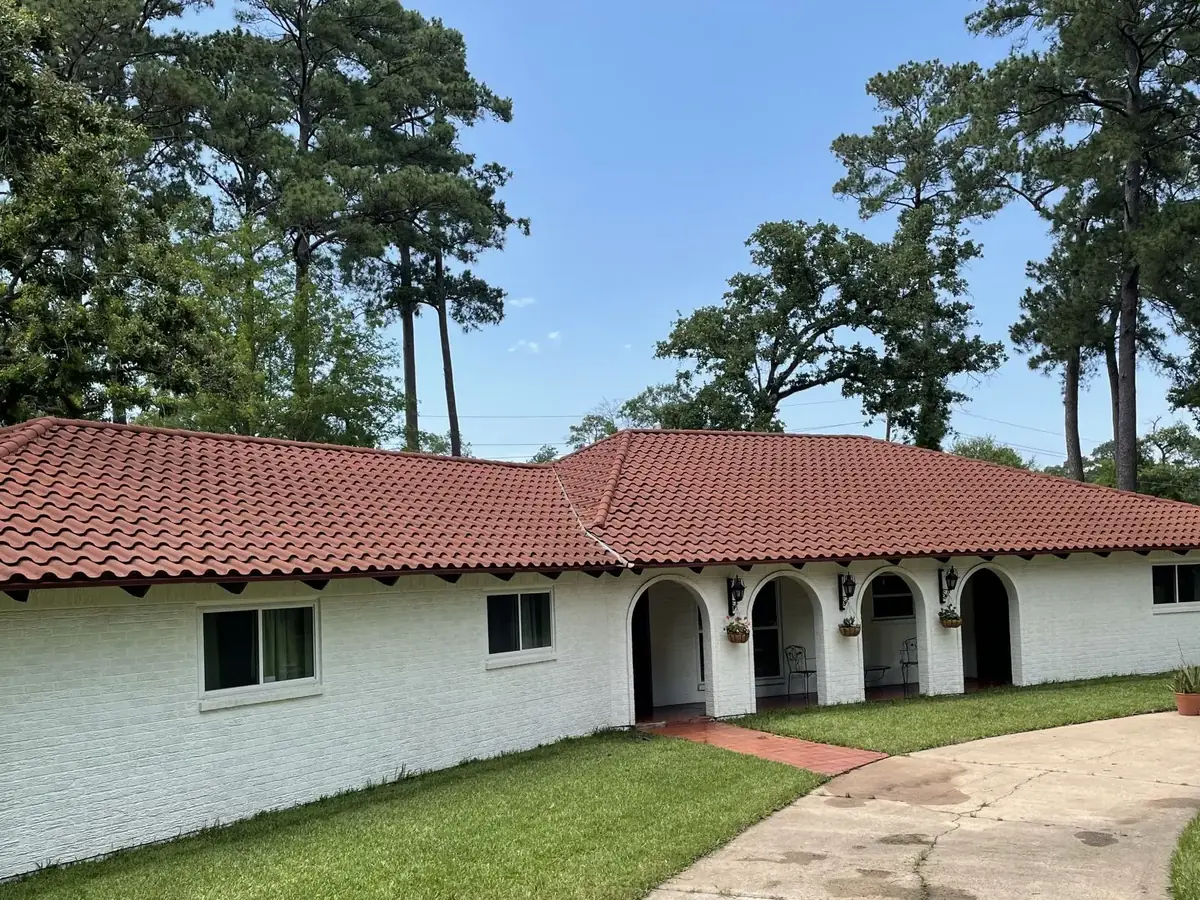 After
Why the right method matters more in Houston
Houston's long, humid summers, frequent rain and shade from pines and live oaks are ideal for mildew and algae. Growth comes back faster here than in drier climates, which makes two things true:
- Killing the roots matters. If growth is only blasted off the surface, it's back within months. Soft washing kills it, so your home stays clean longer between washes.
- You'll be cleaning regularly. Most Houston homes need a house wash about once a year. Using high pressure year after year adds up to real damage. Soft washing is gentle enough to repeat every year without wear.
If you've gotten an HOA letter about mildew or roof streaks, a soft wash is almost always the fix. See our guide: Got an HOA Letter About Mildew? Here's What to Do.
Common questions
On siding, roofs and other surfaces with mildew or algae, it's more effective. Pressure washing removes what you can see, but soft washing kills the growth at the root, so it takes longer to come back. On bare concrete with ground-in dirt, pressure washing is the better tool.
Most people use the terms interchangeably. Technically, "power washing" uses heated water and "pressure washing" uses cold water at high pressure. Hot water helps cut oil and grease on commercial concrete. Either way, it's the high-pressure method, not soft washing.
Not when it's done correctly. We wet down landscaping before we start, keep the solution where it belongs, and rinse plants again when we're done.
You can wash concrete yourself with care, but siding and roofs are where most DIY damage happens: water forced behind siding, etched brick and stucco, and stripped shingle granules. Working on ladders and roofs with a pressure washer is also a real safety risk. If you're unsure, get a free quote first.
Most Houston homes look good for about a year after a soft wash. Shaded sides, homes under trees and homes near water may need it sooner. See How Often Should You Pressure Wash Your House in Houston? or keep it on autopilot with a maintenance plan.
Pricing depends on the size of the home, the surfaces and how much growth there is, more than on the method. See What Affects the Cost of Pressure Washing in Houston? Every Naquin quote is free.
How we handle it
On every job, our crew matches the method to the surface: soft wash for your house, roof and fence, pressure wash for your concrete. We protect your landscaping before and after, and we walk the property with you when we're done. Backed by our 100% satisfaction guarantee and free rescheduling for rain. See real Houston results on our house washing, roof cleaning and driveway cleaning pages, or browse the gallery.
Want it done right?
Get a free quote from Naquin Power Washing LLC. $2M insured, 100% satisfaction guaranteed, and free rescheduling for rain.
Get a free quote →